.webp)

.svg)
.svg)
.webp)
Nobody wants to move to where the power is
Nobody Wants to Move to Where the Power Is
The grid is choosing our sites. It is also quietly choosing our leadership model, and most companies have not noticed.
ZRG | Data Center Practice
The last cycle of site selection was a real estate exercise. Fiber routes, tax abatement, latency to a population center, and a labor pool were the variables, and they pointed toward places that were already larger communities. The current cycle is an electrical exercise. Interconnect availability, utility posture, and generation adjacency now dominate the decision, and they point somewhere very different.
The industry has treated the consequence as a relocation package problem. It is not. Where the flagship assets are going is becoming a structural constraint on which companies can put strong leadership in front of their most complex facilities, and it is already showing up in search outcomes.
Why this cycle is different
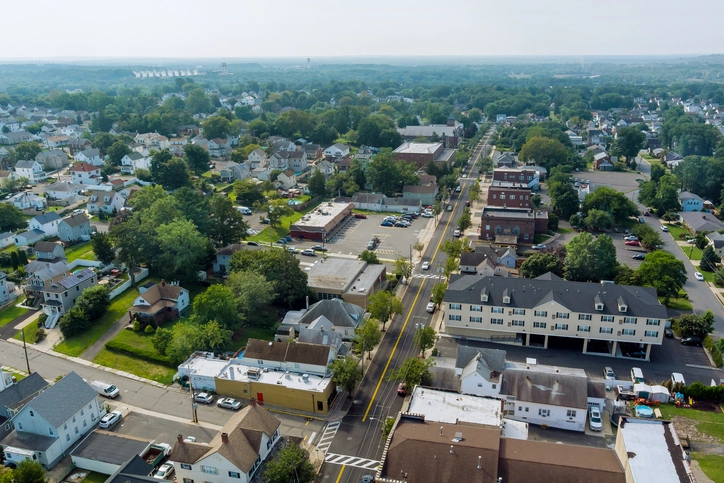
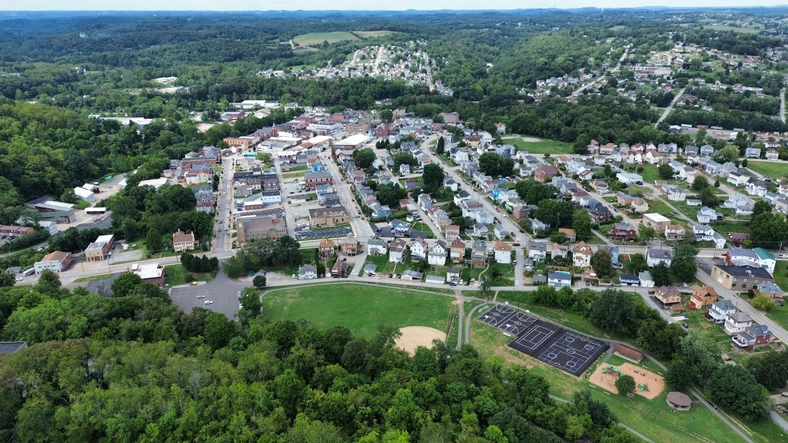
Previous secondary markets were still metropolitan. Northern Virginia, Dallas, Phoenix, Columbus, and Atlanta had airports, schools, and a labor market deep enough that a relocating executive's spouse could find work. The sites now being chosen for power sit near substations, retired generating plants, and transmission corridors, which frequently means a county with one high school and a two-hour drive to a hub airport.
The candidate population has changed too. Senior operators are mid-career, dual-income, and anchored by school-age children and a spouse with an independent career. A cost-of-living adjustment and a signing bonus solved the 2015 version of this problem. Neither one solves a spouse's career or a commute to the nearest real airport.
The symptoms you can already see
The constraint announces itself before anyone measures it. Searches stall at the final stage rather than the screening stage. Candidates accept and then withdraw after the family visit. Site leadership roles get filled by the person who was willing rather than the person who was strongest. Turnover concentrates at the newest assets rather than the oldest ones.
That last pattern is the expensive one, and it is exactly backwards from what the business needs. The most technically complex, most strategically visible, highest-density facilities in the portfolio end up with the thinnest leadership, because those are the ones sited on power rather than on livability.
Four plays that actually work
The first is to distribute the leadership model rather than defend a single heroic site general manager. Split the seat: a resident operations leader who owns the floor, and a non-resident commercial and program leader who owns the customer, the capital plan, and the reporting. The second is rotational site leadership with a defined term, a defined next seat, and both written down and funded in advance. Rotation only works when the destination is real; an informal promise is a resignation with a delay built in.
The third is to recruit regionally and vertically instead of nationally and horizontally. The industries already operating in those counties, including utilities, heavy manufacturing, refining, mining, chemical plants, and nearby military installations, are full of leaders who already run 24/7 critical operations, already live within an hour of the site, and have never been called. The fourth is to price the constraint honestly through a geographic premium attached to the site rather than to the person, paired with spousal career support that is an actual employment network rather than a brochure.
What not to do
Do not quietly lower the bar and call it pragmatism, because the cost surfaces two years later as an incident review. Do not promise a future transfer to a seat that does not exist. And do not let fly-in leadership become permanent. Critical facilities run on a safety culture that is built by presence, and an absentee leader erodes it faster than any training program can rebuild it.
Five questions for the board
- Which of our sites is led by someone we would not have hired into our headquarters, and why did we accept that?
- Do we track acceptance and decline rates by market, and what do they tell us about our next three sites?
- Is our rotation path written down and funded, or is it a conversation we have during the offer?
- Which local industries could supply 24/7 critical operations leaders already living within an hour of each site, and who owns that outreach?
- If our next three sites are selected purely on interconnect, can we staff them, and at what premium?
The uncomfortable conclusion is that site selection has become a talent decision made by people who do not think of themselves as making one. The companies that build fastest over the next several years will be the ones that settled their leadership model before the substation was energized, rather than discovering it afterward in a stalled search.
Tim Henn leads the Digital Infrastructure Practice at ZRG Partners.
Meet the Author



Tim Henn
Managing Director
Global Digital Infrastructure Practice Leader


.svg)
.svg)




.webp)